What Do Optical Coatings Do? Improving Illumination and Imaging Performance
Contents

1. Why Can an Optical System Work Normally Yet Still Underperform?
- Illumination systems: insufficient brightness, uneven light distribution, and usable optical energy well below the light source output
- Imaging systems: reduced image contrast, shadows, or stray light that affect interpretation and measurement accuracy
2. Optical Coating Fundamentals: Controlling Reflection and Transmission
- Reduce unwanted surface reflections
- Increase useful light transmission
- Control optical behavior in selected wavelength bands

3. How Optical Coatings Improve Illumination and Imaging Performance
1. Effects in Illumination Systems
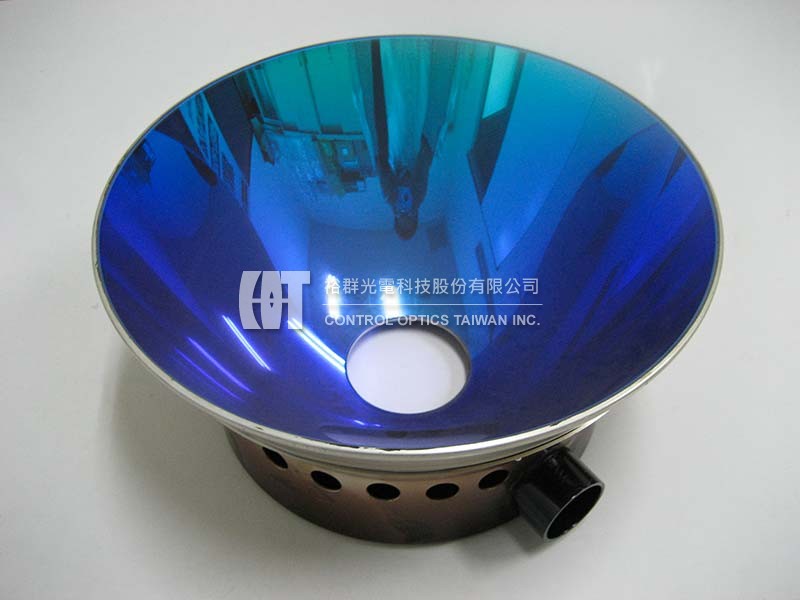
In illumination applications, the main value of optical coatings lies in improving light utilization and stability. Reducing reflection losses allows more optical energy to reach the working area instead of being wasted inside the system.
When used with components such as mirrors and diffusers, an appropriate coating design can help distribute light more evenly and reduce dark areas and hot spots. This is particularly important for equipment that operates for long periods or requires high consistency.
2. Effects in Imaging Systems
Imaging systems place more stringent demands on optical quality. Stray light caused by surface reflections can reduce image contrast and may affect measurement decisions in high-precision applications.
Optical coatings can suppress unwanted reflections, improve image clarity and signal-to-noise ratio, and bring system performance closer to the original design intent. They can also reduce the compensation required from downstream image-processing algorithms, making overall operation more stable and predictable.


4. Choosing Optical Coatings: Suitability Matters More Than Their Presence
5. Frequently Asked Questions About Optical Coatings
Q1: Do all optical components require coatings?Not necessarily. However, when a system has specific requirements for efficiency, stability, or image quality, coatings can often provide a noticeable improvement.
Q2: Do optical coatings affect component service life?
Properly designed and manufactured coatings generally do not shorten component life and can help improve stability.
Q3: Are coating requirements the same for illumination and imaging systems?
Not entirely. Illumination systems emphasize efficiency and uniformity, while imaging systems place greater importance on contrast and stray-light control.
Q4: Can optical coatings be added at a later stage?
In some cases, yes. For most systems, however, evaluating coatings early in the design process is recommended for better overall results.